
Online webinar
Opportunities and challenges of the UK & Benelux Biogas Markets Our Managing Director Jan Zengerink & our Manager Installations & Sales Kai Oosterheert joined […]

Covering a
green future
A digester is used to capture the gases created during the anaerobic fermentation of organic waste. This fermentation happens by anaerobic microorganisms. These organisms are capable of digesting most organic matter, except for lignin, which gives plants their rigidity. Plants with high amounts of lignin, like trees or other wood-like plants, are therefore not suitable for biogas production. Biogas digesters can come in different varieties, but in this article we will focus on the bigger biogas plants, instead of the smaller home-made varieties.
The most common types of waste in large fermenters are manure, food residue, waste sewage and wastewater sludge, green waste, and purposely grown crops. There are a lot of different factors which influence the output of a biogas digester and the quality of the gas. For instance the amount of energy the feedstock has retained, the type of anaerobic digestion (wet or dry), the time in the digester, the (pre)treatment of the feedstock, the conditions within the digester, the composition and purity of the feedstock and so on. This makes it difficult to ascertain the exact yield of certain types of feedstock. There are certain charts that give an impression of expected yields, but it is more precise to use previous knowledge of digesters with a similar feedstock, or to use small sample sizes of the feedstock for lab testing.
It is the excrement of animals, in the case of biogas plants this often means livestock. Manure is a common form of feedstock for digesters, as it is readily available on large farms. Generally, manure is however not that energy rich. This is mostly because it is already digested by the animals meaning most energy rich materials have already been removed. However, it is often prohibited to disperse manure into the soil directly, causing farmers difficulties in disposing of their manure. Biogas digesters are a win- win solution for this problem.
Food residue, or green waste, can be categorized as “forms of organic waste that can be composted.” These often consist of the residues arising from the production, processing, and manufacturing of commercial food, refuse from gardens, or domestic (kitchen) waste. Basically anything “green”. Green waste is more energy rich than manure. It is also typically processed in a wet anaerobic system. This means the feedstock is mixed into a slurry, containing only 5% of solids. The slurry is then pumped into the digester and mixed. The continuous adding of new materials delivers more yield compared to dry anaerobic digestion.
Sewage sludge arises from wastewater plants and is a by product from the cleaning process of drinking water. Using sewage sludge for biogas production is again a win- win situation, since it produces energy, and prepares the sludge for recycling. Sewage sludge is also processed using wet digestion.
The last Item on this list is the only one which is not a by-product. The most common crops used for biogas production are corn, sugar beets, and rye, since these are relatively energy dense and require little energy input for growth. This means that this feedstock generates a higher yield than the other ones mentioned. Other benefits purposely grown crops can have are the enrichment of soil, improvement of water and air quality and its availability.
As stated, these are just some examples of the possibilities for input in a biogas digester. There can be more forms of feedstock, and as stated the composition can differ a lot. To create the optimal environment in a digester and produce the highest energy yield it is wise to consult experts on this matter. Due to MSE’s 30 years of experience in the biogas market we can help our customers get into contact with the right people to answer any remaining questions one might have. So do not hesitate to get into contact with us!
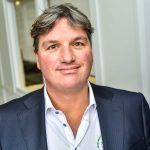
Ir. J.H. (Jan) Zengerink
Managing / Sales director
Opportunities and challenges of the UK & Benelux Biogas Markets Our Managing Director Jan Zengerink & our Manager Installations & Sales Kai Oosterheert joined […]

Single Solar Cover Our Single Solar Cover can be installed like any other Single Membrane cover. The Solar panels are being attached to the […]